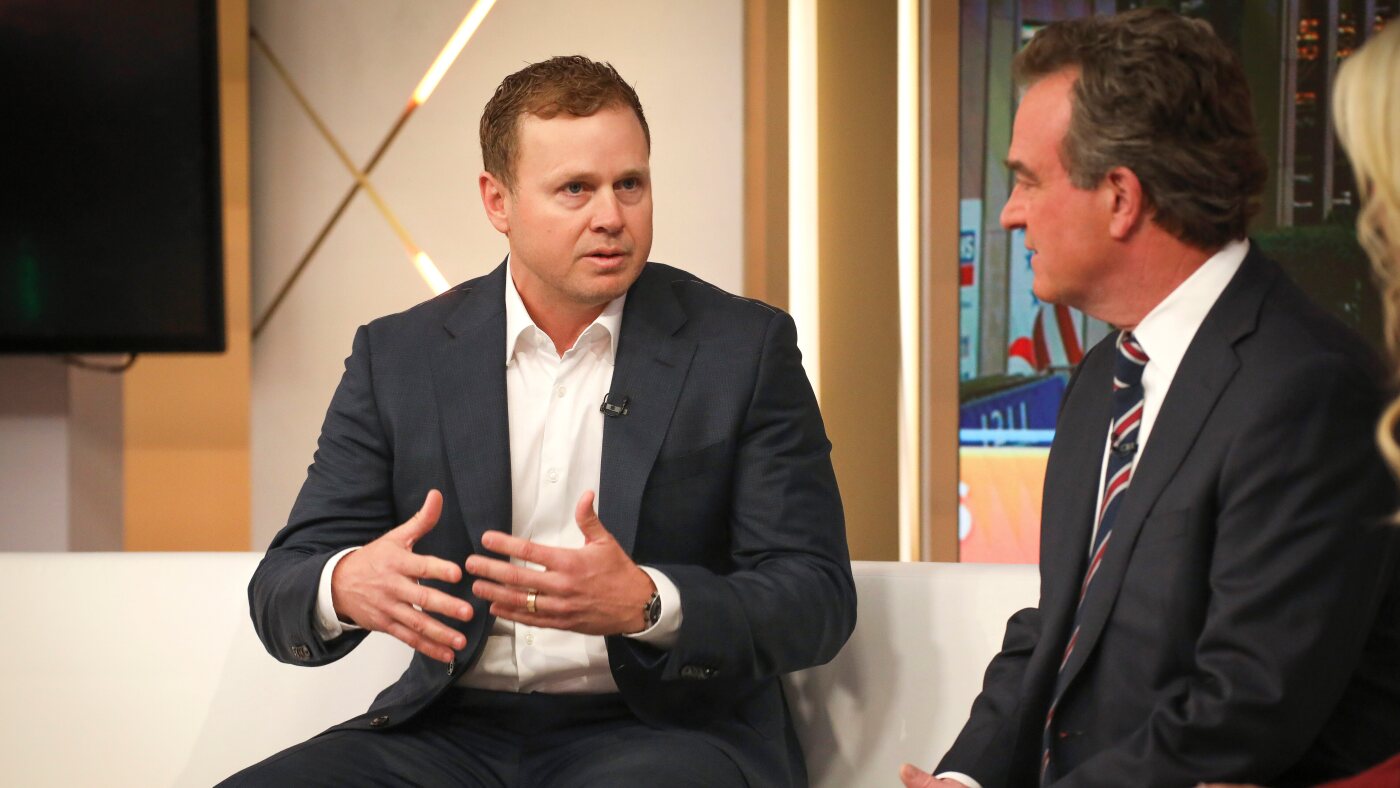
decision support Users receive financial insights covering earnings reports, stock volatility, and macroeconomic developments. Spencer Pratt, a former reality TV star, is flooding social media with edgy humor, AI-generated content, and combative rhetoric to build momentum in his Los Angeles mayoral campaign. Political experts suggest this approach may represent the future of online campaigning, with potential financial ripple effects across media and political consulting industries.
Live News
decision support Market behavior is often influenced by both short-term noise and long-term fundamentals. Differentiating between temporary volatility and meaningful trends is essential for maintaining a disciplined trading approach. Pratt’s campaign leverages a mix of viral, often provocative posts to capture the attention of highly online voters. According to the source, he is deploying "AI slop"—automated or low-effort content—alongside sharp, combative language to cut through the digital noise. This strategy, while unconventional, has earned him the label of "winning the internet" in some circles. Political analysts quoted in the original report note that such tactics could reshape how candidates engage with younger, digitally native demographics. The approach is relatively low-cost compared to traditional advertising, relying instead on algorithmic amplification on platforms like X (formerly Twitter), TikTok, and Instagram. However, the long-term effectiveness of this strategy for a major municipal election remains uncertain. Campaign finance experts might observe that such digital-first efforts could lower the barrier to entry for candidates without substantial war chests, potentially altering the cost structure of political races.
Spencer Pratt's 'Winning the Internet' Strategy: A Financial Perspective on the Future of Political CampaigningPredictive analytics are increasingly part of traders’ toolkits. By forecasting potential movements, investors can plan entry and exit strategies more systematically.Real-time data can reveal early signals in volatile markets. Quick action may yield better outcomes, particularly for short-term positions.Real-time tracking of futures markets can provide early signals for equity movements. Since futures often react quickly to news, they serve as a leading indicator in many cases.Sector rotation analysis is a valuable tool for capturing market cycles. By observing which sectors outperform during specific macro conditions, professionals can strategically allocate capital to capitalize on emerging trends while mitigating potential losses in underperforming areas.Historical price patterns can provide valuable insights, but they should always be considered alongside current market dynamics. Indicators such as moving averages, momentum oscillators, and volume trends can validate trends, but their predictive power improves significantly when combined with macroeconomic context and real-time market intelligence.Structured analytical approaches improve consistency. By combining historical trends, real-time updates, and predictive models, investors gain a comprehensive perspective.
Key Highlights
decision support Real-time tracking of futures markets often serves as an early indicator for equities. Futures prices typically adjust rapidly to news, providing traders with clues about potential moves in the underlying stocks or indices. Key takeaways and potential market implications include: - Shift in campaign ad spending: A move toward viral, AI-generated content may reduce the reliance on traditional TV and radio advertising, affecting revenue for legacy media outlets. - New opportunities for social media platforms: Increased use of organic and paid digital content in politics could boost engagement metrics and advertising revenue for platforms like Meta, TikTok, and X. - Rise of AI content creation tools: The use of "AI slop" in a high-profile campaign may accelerate demand for automated content generation services, benefiting software and AI companies. - Voter engagement metrics may evolve: Combative rhetoric and humor-driven posts could influence polling data and voter turnout, potentially creating new data products for political analytics firms. - Regulatory and platform risk: Controversial or misleading content might invite stricter moderation policies, impacting how campaigns can use social media.
Spencer Pratt's 'Winning the Internet' Strategy: A Financial Perspective on the Future of Political CampaigningVolatility can present both risks and opportunities. Investors who manage their exposure carefully while capitalizing on price swings often achieve better outcomes than those who react emotionally.Correlating global indices helps investors anticipate contagion effects. Movements in major markets, such as US equities or Asian indices, can have a domino effect, influencing local markets and creating early signals for international investment strategies.Many investors adopt a risk-adjusted approach to trading, weighing potential returns against the likelihood of loss. Understanding volatility, beta, and historical performance helps them optimize strategies while maintaining portfolio stability under different market conditions.Real-time news monitoring complements numerical analysis. Sudden regulatory announcements, earnings surprises, or geopolitical developments can trigger rapid market movements. Staying informed allows for timely interventions and adjustment of portfolio positions.Combining different types of data reduces blind spots. Observing multiple indicators improves confidence in market assessments.Real-time tracking of futures markets can provide early signals for equity movements. Since futures often react quickly to news, they serve as a leading indicator in many cases.
Expert Insights
decision support While algorithms and AI tools are increasingly prevalent, human oversight remains essential. Automated models may fail to capture subtle nuances in sentiment, policy shifts, or unexpected events. Integrating data-driven insights with experienced judgment produces more reliable outcomes. From a professional perspective, Pratt’s campaign illustrates a broader trend: the digitization and personalization of political messaging. For investors and analysts, this suggests that companies providing AI-powered content tools, digital advertising platforms, and campaign analytics could see increased demand. Social media firms may benefit from heightened usage during election cycles, but they also face reputational risk if combative content leads to misinformation or polarization. Political consulting firms might need to adapt their service offerings to include viral-content strategy and AI generation capabilities. However, the financial returns from such campaigns are not guaranteed, as voter behavior remains complex and localized. The Los Angeles mayoral race is a relatively small-scale test, but if Pratt’s methods prove effective, they could influence future spending patterns in larger state and national contests. Market participants should monitor campaign finance disclosures and platform policy changes for signs of sustained shifts. Disclaimer: This analysis is for informational purposes only and does not constitute investment advice.
Spencer Pratt's 'Winning the Internet' Strategy: A Financial Perspective on the Future of Political CampaigningSome investors prioritize simplicity in their tools, focusing only on key indicators. Others prefer detailed metrics to gain a deeper understanding of market dynamics.Trading strategies should be dynamic, adapting to evolving market conditions. What works in one market environment may fail in another, so continuous monitoring and adjustment are necessary for sustained success.The increasing availability of analytical tools has made it easier for individuals to participate in financial markets. However, understanding how to interpret the data remains a critical skill.Investors often test different approaches before settling on a strategy. Continuous learning is part of the process.Monitoring macroeconomic indicators alongside asset performance is essential. Interest rates, employment data, and GDP growth often influence investor sentiment and sector-specific trends.Observing market sentiment can provide valuable clues beyond the raw numbers. Social media, news headlines, and forum discussions often reflect what the majority of investors are thinking. By analyzing these qualitative inputs alongside quantitative data, traders can better anticipate sudden moves or shifts in momentum.